
Which Elder Care Option Fits My Family’s Needs in 2026?
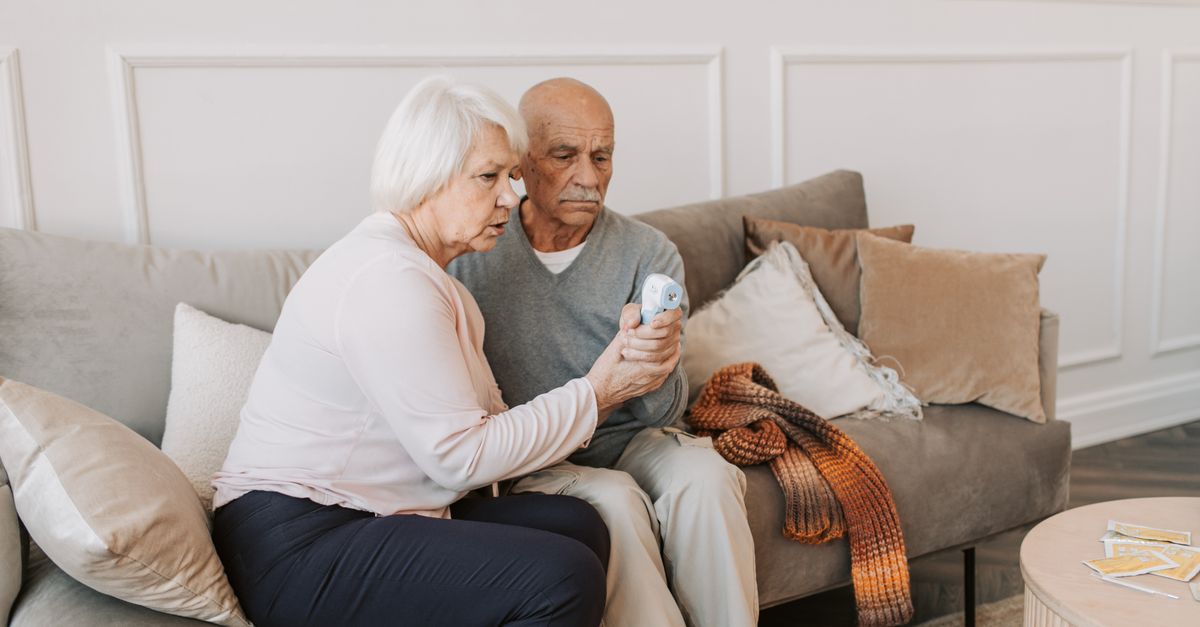
When a loved one reaches retirement age, families often face the same hard choice: should we enroll them in a specialized elder support center, a recreational senior program, a wellness program, a health monitoring system, or a senior rehabilitation service? Each option addresses different needs—some focus on daily living assistance, others on social engagement, fitness, technology‑driven care, or recovery from injury. In 2026, the market offers more choices than ever, but that abundance can be overwhelming if you don’t know what each category truly delivers.
1. Specialized Elder Support: The Full‑Service Model
Specialized elder support centers provide a comprehensive package of services—including personal care, housekeeping, medication management, and 24/7 medical oversight—tailored to seniors who need more than independent living. They’re ideal for clients with chronic conditions or mobility limitations that require constant assistance.
The core components I look for when evaluating these centers are:
Key Elements of Specialized Elder Support
- Certified nursing staff on-site 24/7
- Individualized care plans reviewed monthly
- On‑site physical therapy and occupational therapy
- Robust safety protocols (fall prevention, emergency response)
- Family communication portal for real‑time updates
A well‑structured elder support facility will also offer social activities to prevent isolation. If your senior needs continuous care but still wants a sense of community, this option is the most straightforward choice.
Beyond these basics, many leading facilities integrate electronic health records that sync directly with a senior’s primary physician, ensuring seamless medication adjustments and lab result sharing. Some centers also provide on‑site nutritionists who design meal plans that accommodate dietary restrictions such as diabetes or hypertension, while others offer adaptive equipment—like grab bars, shower seats, and stairlifts—to maintain independence within the environment.
Consider a typical day at a reputable elder support center: The morning begins with an individualized breakfast prepared by a dietitian, followed by a group exercise session led by a physiotherapist. Throughout the day, nursing staff perform routine vitals checks while also assisting with personal hygiene and medication administration. The afternoon may include a cognitive stimulation class or a music therapy session, providing mental engagement that complements physical care.
2. Recreational Senior Programs: Social Engagement Without Daily Care
Recreational senior programs focus on keeping seniors active and socially connected without providing full daily living assistance. These programs range from hobby clubs to structured fitness classes and are typically offered in community centers or private facilities.
When selecting a recreational program, consider:
Choosing the Right Recreational Senior Program
- Program variety (art, music, sports, technology workshops)
- Frequency and duration of sessions
- Accessibility (transportation options, ADA compliance)
- Staff qualifications in gerontology or social work
- Peer review scores from other families
If your senior enjoys activities like chess or art but is otherwise independent, recreational programs can fill the gap between home life and formal care. They’re cost‑effective and foster a sense of belonging.
Many programs now offer hybrid models that combine in-person classes with virtual components—for example, an online pottery workshop for seniors who prefer to stay at home on rainy days. These options broaden accessibility, especially for families living in rural areas or those with mobility challenges that make frequent travel difficult.
A well‑designed recreational program also pays attention to safety: staff are trained to monitor participants for signs of fatigue or discomfort during high‑energy activities such as dance classes or group walks. Additionally, programs often schedule regular “check-in” meetings where seniors can share feedback and suggest new activities, ensuring the offerings remain relevant and engaging.
3. Wellness Programs for Seniors: Preventive Health in Action
Wellness programs for seniors are structured plans that blend exercise, nutrition counseling, mental health support, and preventive screenings. The goal is to maintain or improve functional status and reduce future healthcare costs.
A robust wellness program typically includes:
Essential Components of Wellness Programs for Seniors
- Personalized fitness regimens (low impact cardio, strength training)
- Nutritional assessments and meal planning
- Mental health check‑ins (cognitive stimulation, counseling)
- Chronic disease monitoring (blood pressure, glucose levels)
- Health education workshops (medication management, fall prevention)
These programs are especially valuable for seniors who are at risk of decline but still live independently. They serve as a preventive bridge before more intensive care is required.
In practice, wellness programs often start with a baseline assessment that includes gait speed, grip strength, and balance tests. Based on these results, a multidisciplinary team—comprising a geriatrician, physiotherapist, dietitian, and mental health counselor—creates an individualized plan. Progress is tracked quarterly, allowing adjustments to exercise intensity or dietary recommendations as the senior’s needs evolve.
Additionally, many wellness programs partner with local pharmacies and laboratories to facilitate medication reviews and routine blood tests, ensuring that seniors receive comprehensive preventive care without leaving their community.
4. Health Monitoring for Seniors: Technology‑Driven Care
Health monitoring for seniors uses wearable devices, remote sensors, and telehealth platforms to track vital signs and daily activity patterns in real time. In 2026, the accuracy of these tools has improved dramatically, allowing caregivers to intervene early.
The most effective health monitoring systems feature:
Key Technologies in Health Monitoring for Seniors
- Smartwatches with ECG and fall detection
- Home sensors that track movement and sleep quality
- Telehealth integration for virtual check‑ups
- Data dashboards accessible to family members
- Automated alerts for abnormal readings
If you want peace of mind without a full facility, investing in reliable monitoring can supplement any level of care and help catch issues before they become emergencies.
For example, a senior wearing an ECG‑enabled smartwatch will automatically transmit heart rhythm data to their primary physician’s portal. If irregularities are detected—such as atrial fibrillation—the system triggers an alert that prompts the family and provider to schedule a review within 24 hours. Similarly, motion sensors in the bedroom can detect prolonged periods of inactivity after midnight, which may signal sleep apnea or depression, triggering a follow‑up call from a nurse practitioner.
Privacy considerations are paramount: reputable monitoring services use end‑to‑end encryption and give families control over who can view data. Many platforms also allow seniors to set personal thresholds for alerts, ensuring that notifications are meaningful rather than overwhelming.
5. Senior Rehabilitation Services: Recovery After Injury or Surgery
Senior rehabilitation services focus on restoring function after an event such as hip replacement, stroke, or fall injury. They combine physical therapy, occupational therapy, speech therapy, and sometimes psychological support to facilitate a return to independence.
When evaluating rehab providers, look for:
Critical Factors in Senior Rehabilitation Services
- Evidence‑based treatment protocols specific to older adults
- Multidisciplinary team (physiotherapist, occupational therapist, nurse)
- Rehabilitation intensity and duration plans
- Outcome tracking (mobility scores, pain levels)
- Insurance compatibility and cost transparency
For seniors who have recently experienced a setback, rehabilitation can dramatically shorten recovery time and improve long‑term quality of life.
A typical rehab program begins with an intake assessment that identifies functional deficits—such as reduced range of motion or impaired balance—and sets measurable goals. The team then schedules individualized sessions: physiotherapy might focus on gait training and strengthening; occupational therapy could address adaptive strategies for daily tasks like dressing or cooking; speech therapy may be necessary if the injury impacted swallowing or communication.
Throughout the process, therapists monitor progress using validated scales (e.g., Timed Up & Go test) and adjust interventions accordingly. Many facilities also incorporate home exercise plans that seniors can continue independently, ensuring continuity of care after discharge.
6. Decision Matrix: Matching Needs to Services
Below is a practical comparison that helps you weigh each option against common family concerns:
Service Comparison Snapshot
- Specialized Elder Support: Best for continuous care needs; high upfront cost but low ongoing worry.
- Recreational Senior Programs: Ideal when the senior is independent but seeks social interaction; moderate cost, flexible schedules.
- Wellness Programs for Seniors: Preventive focus; moderate cost, requires commitment to regular sessions.
- Health Monitoring for Seniors: Technology‑centric; low to medium cost, high data transparency.
- Senior Rehabilitation Services: Post‑injury recovery; variable cost based on duration and intensity.
This matrix isn’t exhaustive but serves as a quick reference. Align each category with your senior’s current health status, lifestyle preferences, and budget constraints.
When you overlay the matrix with your family’s priorities—such as “maintain independence” versus “ensure safety”—you can quickly eliminate options that don’t fit. For instance, if fall risk is high but the senior still enjoys outdoor walks, a combination of health monitoring and recreational programs may be sufficient. Conversely, if mobility has declined to the point where daily transfers are difficult, specialized elder support becomes more appropriate.
7. Practical Steps for Selecting the Right Care Pathway
Choosing the right service involves more than ticking boxes; it requires a systematic approach:
Step‑by‑Step Decision Framework
- 1. Conduct a comprehensive health assessment with a primary care provider.
- 2. Identify priority goals: safety, independence, social engagement, or recovery.
- 3. Map each goal to the service categories above.
- 4. Request tours and meet staff at candidate facilities or programs.
- 5. Review cost structures, insurance coverage, and out‑of‑pocket expectations.
- 6. Pilot a short trial period where possible (e.g., one month of recreational classes).
- 7. Reevaluate after the trial; adjust plans as needs evolve.
Sticking to this framework reduces decision fatigue and ensures you pick a solution that genuinely fits your family’s unique situation.
Adding an extra layer to the process is to involve the senior in each step. Ask them what they value most—be it a quiet garden, a music studio, or hands‑on medical support—and let their preferences guide the final decision. This collaborative approach often leads to higher satisfaction and smoother transitions between care stages.
8. Common Pitfalls and How to Avoid Them
Even with a solid plan, families often make mistakes that can compromise care quality or inflate costs:
- Overlooking Staff Ratios: A low nurse‑to‑patient ratio may mean less personalized attention.
- Ignoring Accessibility Features: Facilities without ramps or proper signage can limit participation.
- Neglecting Family Communication Protocols: Without real‑time updates, families feel disconnected.
- Choosing the Cheapest Option First: Cost savings may come at the expense of essential services.
- Failing to Reassess Needs Over Time: A senior’s condition can change; regular reviews are crucial.
A mindful approach that checks these boxes will help you avoid costly missteps and ensure high‑quality care.
For instance, a facility that advertises low monthly rates may have hidden fees for medication management or transportation. Requesting a detailed fee schedule up front can reveal whether those costs are truly included. Similarly, a program that boasts a large number of activities might not provide adequate staff training; observing a live session before enrollment can uncover gaps in safety protocols.
The key takeaway: Match each elder care category—specialized support, recreational programs, wellness initiatives, health monitoring, or rehabilitation—to the specific functional needs and lifestyle preferences of your senior. A structured decision framework can streamline selection and prevent common pitfalls.In my experience, families who start with a clear goal matrix and test options in short pilots consistently find better satisfaction and lower costs over time. The pilot approach allows you to see firsthand how well a program or facility aligns with your loved one’s day‑to‑day reality before committing long term.
What is the most important factor you consider when choosing elder care services for your family?


