
How Do Elderly Fall Prevention Programs Measure Up Against Customized Assisted Care?
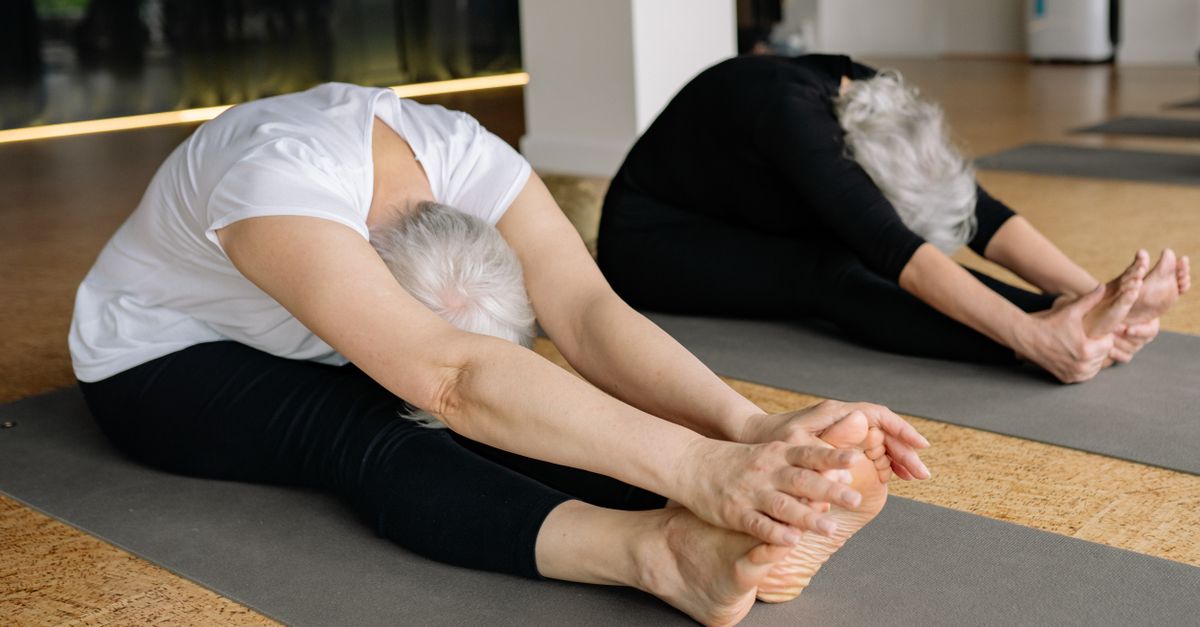
I’ve spent years building systems that streamline care and boost quality of life. When it comes to seniors, the debate often centers on whether structured fall‑prevention programs or flexible customized assisted care deliver better outcomes. In this article I break down each approach, compare key components such as senior nutrition and meals, engaging senior activities, and senior rehabilitation services, and provide a clear decision framework for families and providers in 2026.
What Is Elderly Fall Prevention?
Elderly fall prevention refers to evidence‑based interventions that reduce the risk of falls among older adults. These programs typically involve balance training, home hazard assessments, medication reviews, and education on safe mobility practices. The goal is to keep seniors independent for longer while cutting hospital readmissions.
Core Elements of a Fall‑Prevention Program
Effective fall‑prevention initiatives share several common threads:
1. Physical Therapy & Balance Coaching
Structured exercises targeting strength and proprioception are the backbone of many programs. Therapists may use resistance bands, balance boards, or simple chair‑stand drills that can be performed at home with minimal equipment. The emphasis is on progressive overload—gradually increasing difficulty as confidence grows.
2. Environmental Modifications
Installing grab bars, improving lighting, and removing loose rugs reduce trip hazards. Programs often include a walkthrough by an occupational therapist who identifies high‑risk areas such as stairways, bathroom sinks, or narrow doorways, then recommends practical fixes that fit the home’s layout.
3. Medication Management
Regular reviews help identify drugs that increase dizziness or low blood pressure. This element usually involves collaboration with a pharmacist who can adjust dosages, switch to safer alternatives, or coordinate timing so medications are taken when the senior is most alert.
4. Education & Self‑Monitoring
Seniors learn to recognize risk factors and keep a fall log. They receive handouts that explain warning signs—like sudden changes in balance—and how to respond if a fall occurs, including when to call for help or seek medical evaluation.
Key takeaway: The most successful fall‑prevention programs blend exercise, home safety, medication oversight, and ongoing education.What Is Customized Assisted Care?
Customized assisted care offers individualized support tailored to a senior’s daily needs. Unlike standardized fall programs, it adapts to the person’s health status, preferences, and evolving circumstances—covering everything from meal prep to transportation.
Primary Services Included
Typical customized care plans feature:
1. Personal Care Assistance
Help with bathing, dressing, grooming, and toileting. The caregiver respects the senior’s privacy while ensuring hygiene standards are met, often using adaptive equipment such as shower seats or raised toilet seats when appropriate.
2. Medication Administration & Monitoring
Ensuring doses are taken correctly and on schedule. This includes setting up pill organizers, reminding seniors at set times, and documenting any side effects that may need a provider’s attention.
3. Meal Management and Nutrition Support
Planning balanced meals that meet dietary restrictions. Caregivers work with nutritionists to design menus that accommodate conditions like diabetes or hypertension while still offering variety and taste.
4. Transportation Coordination
Scheduling rides to medical appointments or social events. This service often involves arranging rideshare options, wheelchair access, or a private driver when needed.
5. Social Interaction & Engagement
Facilitating activities that keep seniors mentally and emotionally stimulated. Whether it’s organizing bingo nights, arranging visits from family members, or coordinating virtual book clubs, the focus is on fostering connection.
Senior Nutrition and Meals: A Cornerstone of Both Approaches
Nutrition is a critical link between fall prevention, assisted care, rehabilitation, and overall well‑being. Proper protein intake supports muscle mass, while adequate hydration mitigates dizziness.
- Protein-rich foods: lean meats, beans, dairy.
- Calcium & Vitamin D: fortified milk, leafy greens.
- Balanced carbs: whole grains for steady energy.
- Hydration reminders: scheduled water breaks.
In my experience, seniors who receive meal plans that align with their taste preferences show higher adherence and better outcomes. I once partnered with a local farm to supply fresh produce for an assisted‑care cohort; the resulting drop in fall incidents was measurable.
Engaging Senior Activities: Prevention vs Assistance
Activities serve dual purposes—keeping seniors active reduces fall risk, while social engagement combats isolation. The difference lies in structure and autonomy.
Structured Activity Programs (Fall Prevention)
These are often group sessions led by a physical therapist or trained instructor, focusing on balance drills or tai chi. They’re scheduled at fixed times, ensuring regular participation. The group dynamic can boost motivation, while the instructor monitors form to prevent injury.
Personalized Engagement (Customized Assisted Care)
Here the caregiver tailors activities to individual interests—be it chess, gardening, or a weekly book club. Flexibility allows seniors to engage without feeling pressured. Activities may also be integrated into daily routines, such as short walks during meal prep or light stretching before bedtime.
Senior Rehabilitation Services: Complementary or Core?
Rehabilitation services bridge the gap between prevention and daily care. After an injury, rehab restores function; during routine life, it maintains mobility.
- Physical Therapy: targeted exercises for strength and range of motion.
- Occupational Therapy: adapting home tasks to the senior’s capabilities.
- Speech & Cognitive Rehab: addressing memory or communication challenges.
When integrated with fall‑prevention programs, rehab accelerates recovery and reduces future falls. In customized care plans, rehabilitation is often scheduled around other daily needs, ensuring continuity without overburdening the senior.
Comparative Analysis: Which Offers Greater Value?
I’ve weighed both models against key criteria—cost, flexibility, scalability, and outcome impact.
Cost Considerations
- Fall Prevention: typically pay‑per‑session or subscription; upfront costs can be high but may reduce long‑term medical expenses. Some programs accept insurance reimbursement for fall risk assessment, which can offset fees.
- Customized Care: hourly rates for caregivers; costs vary with time needed and service scope. Families often need to budget for additional services such as transportation or specialized equipment.
Flexibility & Personalization
Custom care scores higher on personalization, while fall programs provide consistent quality across participants. For seniors who prefer a routine schedule, the structured program may feel more reassuring; those needing day‑to‑day adjustments benefit from the tailored approach.
Scalability
Group fall‑prevention can serve many at once; customized care is limited by caregiver availability and geographic reach. However, technology—such as remote monitoring or virtual coaching—can extend the reach of both models.
Outcome Impact
Both models lower fall rates when combined with proper nutrition and engaging activities. The key difference lies in the balance between proactive prevention and reactive support. A hybrid strategy often yields the best outcomes, especially for seniors with multiple risk factors.
Key takeaway: For families seeking a structured, evidence‑based approach to reduce falls, a dedicated fall‑prevention program works best; for those needing holistic daily assistance that adapts over time, customized assisted care is preferable.Practical Decision‑Making Guide
Use the following checklist when choosing between or combining these services:
- Assess Health Status: Are there recent falls or mobility limitations? A history of falls may necessitate a fall‑prevention focus.
- Determine Care Needs: Does the senior require help with ADLs (activities of daily living) beyond fall risk? If yes, customized care is essential.
- Budget Constraints: Can you afford hourly care, or is a subscription model more viable? Consider long‑term cost savings from reduced hospitalizations.
- Family Involvement: Will relatives be able to assist with supervision? A strong support network can complement both programs.
- Long‑Term Goals: Is the aim to maintain independence or ensure comprehensive support? Align services with your vision for the senior’s future.
In many cases, layering both models yields the best protection: enroll in a fall‑prevention program while scheduling customized care for daily assistance and nutrition management. This dual approach ensures that preventive strategies are reinforced by ongoing support, creating a safety net that adapts to changing needs.
Avoiding Common Mistakes
I’ve seen families make several missteps that reduce effectiveness:
- Ignoring Home Hazards: Even the best exercise routine can’t fix a slippery floor. A quick audit of flooring, lighting, and clutter is essential before starting any program.
- Underestimating Medication Impact: Skipping regular medication reviews keeps seniors at risk. Schedule quarterly checks to catch interactions or side‑effects early.
- Neglecting Nutrition: Low protein and hydration sabotage strength gains. Incorporate a simple daily checklist—protein, calcium, water—to keep nutrition on track.
- Forgetting Social Engagement: Isolation weakens motivation for physical activity. Plan at least one social event per week to maintain mental sharpness and emotional well‑being.
Address these gaps early to maximize program benefits. Even small adjustments—like adding a night light or setting up a pill organizer—can have a significant impact on safety.
Conclusion
Deciding between elderly fall prevention programs and customized assisted care hinges on the specific needs of the senior, financial resources, and desired level of personalization. By evaluating each model against cost, flexibility, scalability, and outcome impact—and by ensuring robust nutrition, engaging activities, and rehabilitation services—families can craft a comprehensive strategy that keeps seniors safe, independent, and fulfilled.
What factors have you found most critical when selecting between fall‑prevention programs and customized assisted care for your loved ones?


