
How Can We Enrich Senior Lifestyle Through Companion Programs and Wellness Activities?
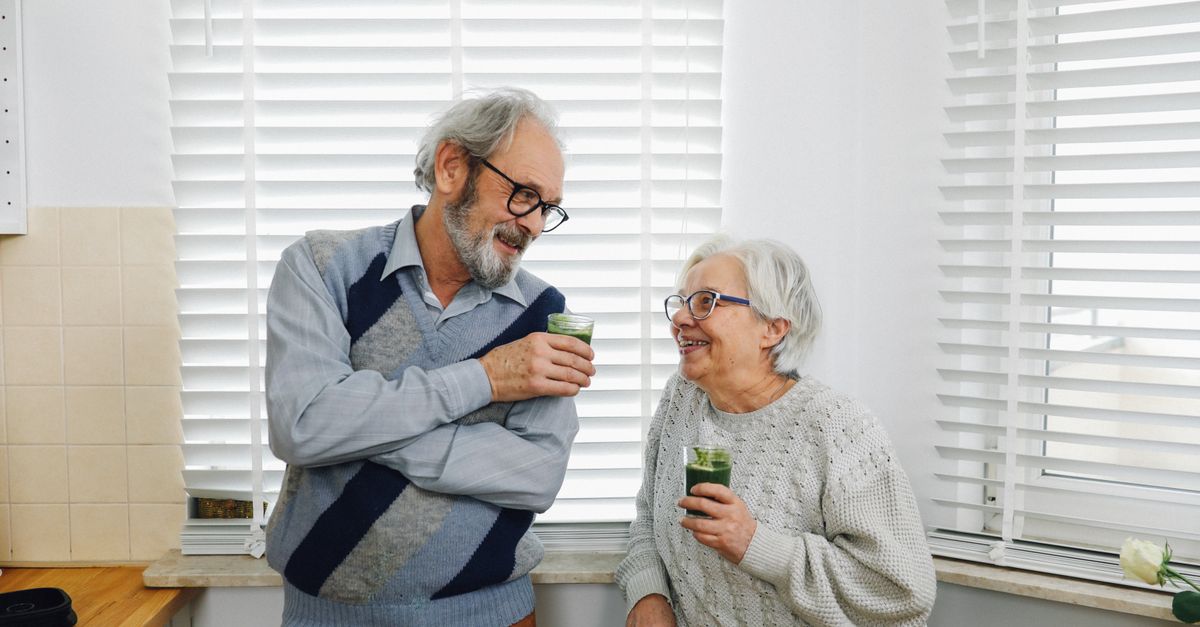
I’ve spent years building systems that streamline processes and improve outcomes in tech startups, but nothing has tested my design instincts like creating a program to enrich senior lifestyle. In 2026, the aging population continues to grow faster than we can keep up with traditional care models. My goal is to lay out a practical framework for anyone—community leaders, caregivers, or family members—to build Elderly companionship programs that combine Senior-friendly activities, Wellness programs for seniors, and Elderly fall prevention into one cohesive package.
Beyond the numbers, this effort is about restoring dignity and joy in everyday moments. By weaving technology, volunteer energy, and evidence‑based wellness practices together, we can create a living ecosystem where seniors feel seen, supported, and empowered to maintain their independence for as long as possible.
Understanding the Need: Why Enriching Senior Lifestyle Matters
Seniors face isolation, declining physical function, and mental health challenges. When you strip away social interaction and structured activity, the risk of falls, depression, and chronic disease accelerates. That’s why a holistic approach that blends companionship with purposeful wellness is essential.
From my experience designing user flows for mobile health apps, I’ve learned that people respond best when interventions feel like natural extensions of their daily routines rather than forced chores. In the same way, an Elderly companionship program should feel like a regular part of life—like catching up over coffee or walking in a park—rather than an obligation.
When you observe seniors who have access to consistent social and physical engagement, you notice subtle shifts: brighter smiles, steadier gait, and a renewed sense of purpose. These qualitative changes often precede measurable health improvements, underscoring the importance of early and sustained intervention.
Key Metrics That Show Success
When measuring impact, focus on concrete outcomes:
List of Measurable Outcomes
- Reduction in reported loneliness scores (e.g., UCLA Loneliness Scale)
- Improved functional mobility tests (Timed Up & Go, 6‑Minute Walk Test)
- Decreased number of fall incidents per year
- Higher engagement rates in program activities (attendance logs)
- Positive feedback from participants and caregivers on quality of life improvements
By tracking these metrics, you can iterate quickly—just like I iterate on product features—to keep the program aligned with senior needs.
Collecting data is simpler than it sounds. A paper logbook in a community center can capture attendance and mood notes, while a lightweight app allows volunteers to submit quick check‑in reports that feed into a central dashboard. The key is consistency: a single data point each week can reveal trends long before they become crises.
Core Elements of an Effective Elderly Companionship Program
A robust companionship model is built on three pillars: volunteer recruitment, technology facilitation, and structured interaction plans.
Volunteer Recruitment Strategies
Finding the right volunteers requires clear role definitions and incentives that match their strengths. Here’s how I’ve approached it:
Volunteer Engagement Checklist
- Define time commitment (e.g., 2 hours per week, flexible days)
- Offer training on dementia etiquette, fall safety, and basic first aid
- Create a peer mentorship system for new volunteers to learn from experienced ones
- Provide recognition events or certificates that acknowledge contributions
- Set up an online portal where volunteers can log hours and share feedback
When volunteers feel valued, retention improves, which directly translates into consistent companionship for seniors.
In addition to the checklist, screening for empathy, patience, and basic health literacy helps match volunteers to participants with varying needs. A brief interview or a short personality quiz can surface these traits early in the onboarding process.
Technology as a Facilitator, Not a Replacement
Digital tools should streamline scheduling, safety monitoring, and communication. In my tech background, I know how to keep interfaces simple: one button for “Schedule Visit,” one for “Check‑In Report.”
Essential Tech Features
- Intuitive mobile app for volunteers with push notifications
- Real‑time GPS tracking during visits for safety assurance
- Automated check‑in forms that capture mood, activity level, and any incidents
- Secure data storage compliant with HIPAA (or local privacy laws)
- Analytics dashboard to monitor program health at a glance
Technology reduces administrative overhead so you can focus on the human side of care.
Accessibility is paramount. Large fonts, high contrast colors, and voice‑over compatibility ensure that volunteers and participants with visual or hearing impairments can use the tools comfortably. Providing a simple paper backup form also guarantees continuity if internet access is intermittent.
Designing Senior-Friendly Activities That Promote Well‑Being
Activities should be low‑impact, engaging, and adaptable. The goal is to keep seniors active without overexerting them.
Activity Categories and Examples
I’ve tested these categories in community centers and found they resonate across different mobility levels:
Activity Matrix
- Physical: Chair yoga, gentle tai chi, guided walking groups, balance drills.
- Cognitive: Memory games, crossword puzzles, storytelling circles, music therapy sessions.
- Sociable: Book clubs, cooking classes, art workshops, intergenerational playdates.
- Recreational: Puzzle hunts around the neighborhood, garden maintenance with assistance, low‑impact dance nights.
When designing a program, start with a core set of activities and then allow volunteers to suggest variations based on participant interest. Flexibility keeps engagement high.
The rhythm of an activity matters as well. Short bursts (10–15 minutes) followed by a brief pause help maintain focus while preventing fatigue. Using familiar music cues or simple visual prompts can guide participants through each step, creating a predictable and reassuring flow.
Adapting for Mobility Constraints
Use simple modifications: seated options, handrails, adjustable heights. For example, a walking group can have “sit‑and‑stand” intervals that let participants rest without losing the social component.
Providing adaptive equipment—such as lightweight resistance bands, balance pads, or seat‑to‑stand stools—extends participation to those with limited strength. Training volunteers on how to facilitate these adaptations ensures safety and confidence for both sides.
Wellness Programs Tailored for Seniors
A wellness program is more than exercise; it integrates nutrition, mental health support, and preventive care checks.
Nutrition Integration
Partner with local food banks or grocery cooperatives to provide balanced meal kits. Offer cooking demos that focus on heart‑healthy, easy‑to-prepare recipes.
Meal Kit Checklist for Seniors
- Low sodium options
- High fiber ingredients
- Portion sizes suitable for reduced appetite
- Easy-to-read labels with clear preparation steps
- Optional spice level customization for taste variety
Nutrition directly affects energy levels and fall risk, so it’s a critical component.
Beyond the kits, incorporating hydration reminders—simple stickers on water bottles or a weekly “drink‑up” challenge—helps counter dehydration, a common but preventable cause of dizziness in older adults.
Mental Health Support
Regular check‑ins by trained volunteers or telehealth professionals can catch early signs of depression or anxiety. Simple tools like mood trackers help participants self‑monitor.
Mood Tracking Protocol
- Daily log: 1–5 scale for happiness, stress, and sleep quality
- Weekly review with volunteer to discuss trends
- Immediate escalation protocol if scores dip below threshold
- Resource list for professional help (hotlines, local clinics)
- Encouragement of peer support groups for shared coping strategies
Early intervention reduces the likelihood of severe mental health crises.
Integrating storytelling circles or guided reflection sessions also taps into the therapeutic power of narrative. When participants share personal memories in a supportive setting, they often experience increased self‑esteem and social connectedness.
Elderly Fall Prevention: Practical Strategies
Falls are a leading cause of injury among seniors. Prevention starts with environment assessment and continues with targeted training.
Home Safety Audits
Conduct walk‑throughs to identify hazards such as loose rugs, inadequate lighting, or slippery floors. Provide inexpensive fixes like non‑slip mats, night lights, and grab bars.
Audit Checklist
- Clear pathways free of clutter
- Handrails on both sides of stairs
- Bathroom grab bars near toilet and shower
- Adequate lighting in all rooms, especially hallways
- Non‑slip surfaces in kitchen and bathroom
These simple changes can cut fall risk by up to 30% according to studies I’ve reviewed.
Engaging seniors in the audit process empowers them to own their safety. A “home safety passport” that participants fill out during each visit encourages ongoing vigilance and creates a tangible record for future reference.
Balance and Strength Training
Incorporate exercises that focus on core stability, hip flexor strength, and proprioception. Use tools like resistance bands or balance boards that are safe for home use.
Sample Routine (15 Minutes)
- Warm‑up: 2 minutes of marching in place
- Squats with chair support – 10 reps
- Bilateral calf raises – 12 reps each leg
- Standing heel‑to‑toe balance – hold 30 seconds per leg
- Resistance band rows – 8 reps per arm
- Cool‑down: deep breathing and gentle stretches
Consistency is key. Encourage participants to perform this routine at least three times a week.
Progressive overload—slightly increasing resistance or duration—keeps the body adapting without overwhelming it. Volunteers can keep a simple log of reps and perceived effort, which helps tailor future sessions to each participant’s evolving capacity.
Education and Empowerment
Teach seniors how to recognize triggers (e.g., rushing, poor lighting) and empower them to take preventive actions themselves. Provide simple checklists they can keep on their fridge.
Personal Safety Action Plan
- Identify high‑risk times of day for falls
- Create a “Safe Path” map of home with marked hazards
- Set up an emergency contact list within reach
- Schedule regular check‑ins with a volunteer or family member
- Keep a fall diary to track incidents and patterns
When seniors own their safety plan, adherence improves dramatically.
Community Outreach for Safety Education
- Host monthly workshops on home modifications
- Distribute printable safety sheets at local pharmacies
- Collaborate with local builders to offer discounted grab bar installations
- Create a volunteer “Safety Buddy” program where pairs conduct quick hallway checks during visits
These outreach efforts not only spread knowledge but also foster a culture of shared responsibility for senior safety.
The most effective senior enrichment programs combine companionship, structured activity, wellness support, and proactive fall prevention into a single, data‑driven system that adapts to individual needs.By weaving these elements together, we create a resilient network where seniors feel seen, supported, and empowered. The synergy between volunteer engagement, technology, and evidence-based practices ensures that each program can evolve with the changing demographics and health landscapes of our aging communities.
What is the biggest barrier you face when trying to implement a comprehensive wellness program for seniors in your community?


