
How Can Respite Care and Senior Wellness Programs Improve Quality of Life for Older Adults in 2026?
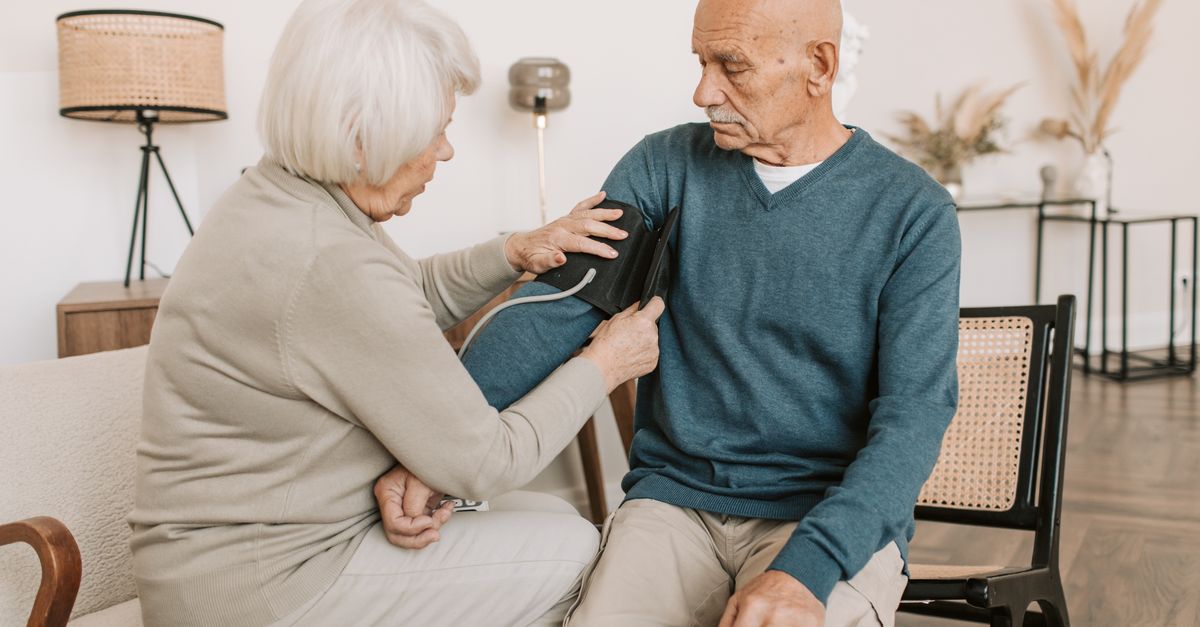
I’ve spent years building systems that streamline processes, but nothing has tested my ability to design a seamless experience quite like creating a senior support plan. The reality is that many families struggle to find reliable respite care while ensuring seniors receive comprehensive wellness programs, engaging activities, compassionate caregiving, and nutritious meals. This article walks through each component, offers actionable lists, and shows how they fit together in a practical, cost‑aware framework.
In 2026 the aging population is expected to double compared to the early 2000s, placing unprecedented pressure on family caregivers, healthcare providers, and community resources. The emotional toll of caregiving can lead to chronic stress, depression, and even physical health decline. By strategically combining respite care with holistic wellness initiatives, we can safeguard both the well‑being of seniors and the sustainability of their support networks.
What Is Respite Care and Why Does It Matter?
Respite care is short‑term relief for primary caregivers who need to rest or attend to other responsibilities. In 2026, options range from in‑home aides to community centers offering day programs. The goal is twofold: protect caregiver health and maintain the senior’s routine.
The quality of respite can vary dramatically. Some services focus on basic supervision; others provide therapeutic activities and social interaction. Choosing the right model depends on the senior’s medical needs, personal preferences, and the family’s budget.
Key Types of Respite Care
- In‑home care aides: A trained professional visits daily or weekly to assist with ADLs (activities of daily living). They can also coordinate medication schedules, monitor vitals, and provide companionship. For families who value continuity, a dedicated aide can become an integral part of the senior’s support system.
- Adult day programs: Structured social and therapeutic sessions held at community centers or senior centers. These programs often include exercise classes, arts & crafts, reminiscence therapy, and educational workshops. Participants leave with a sense of accomplishment and return home refreshed.
- Short‑term residential facilities: Overnight stays in assisted living or memory care units for 24–48 hours. This option is ideal when a senior needs more intensive support or when a caregiver must manage an unexpected emergency. Facilities typically offer round‑the‑clock medical oversight and specialized activities tailored to cognitive status.
- Volunteer support: Local volunteers or faith groups provide companionship and light assistance, such as grocery shopping or walking the dog. Volunteer programs can be a cost‑effective supplement to paid services, especially in rural areas where professional care is scarce.
When evaluating providers, look for certifications, staff turnover rates, and flexibility in scheduling. The right respite service can prevent caregiver burnout and keep seniors engaged. It’s also wise to request trial visits or shadowing opportunities so you can gauge the provider’s communication style and attentiveness before committing long‑term.
Senior Wellness Programs: Building a Holistic Routine
A senior wellness program is more than an exercise class; it’s a coordinated set of activities that promote physical health, mental acuity, social connection, and emotional well‑being. In 2026, many programs integrate technology—wearable trackers, telehealth check‑ins, and online forums—to enhance participation.
Effective programs are tailored to the senior’s baseline health status. For example, a senior with mild arthritis may benefit from low‑impact yoga, while someone with early dementia might need structured memory games. A well‑designed program also considers sensory sensitivities, mobility limitations, and cultural preferences.
Core Elements of an Effective Wellness Program
- Personalized fitness: Low‑impact or resistance training based on medical clearance. This can include chair yoga, water aerobics, or gentle tai chi sessions that respect joint health while improving balance and flexibility.
- Cognitive stimulation: Puzzles, reading groups, and technology workshops that target memory, problem‑solving, and language skills. Virtual reality experiences are emerging as a way to simulate travel or familiar environments for seniors with limited mobility.
- Social engagement: Clubs, volunteer opportunities, or intergenerational events that foster community ties. Structured peer support groups can reduce feelings of isolation and provide emotional outlets for both participants and caregivers.
- Health monitoring: Regular vitals checks and medication reviews facilitated by wearable devices or telehealth platforms. Real‑time data sharing with physicians enables early intervention for conditions such as hypertension, diabetes, or heart disease.
Integrating these elements creates a balanced routine that supports both body and mind. The next section focuses on selecting senior‑friendly activities that keep engagement high.
Selecting Senior-Friendly Activities That Keep Them Engaged
Choosing the right activities is crucial for preventing isolation and maintaining cognitive function. I’ve seen families fall into a pattern of “one size fits all” programs, which often result in low participation.
Senior-friendly activities should be safe, accessible, and aligned with personal interests. They also need to accommodate varying mobility levels and sensory sensitivities.
Examples of High‑Impact Activities
- Adaptive gardening: Raised beds with ergonomic tools allow seniors to cultivate herbs or flowers without bending excessively. Composting bins can double as a learning tool for environmental stewardship.
- Art classes: Watercolor or clay workshops using large brushes and textured palettes encourage fine‑motor skill development while providing creative expression.
- Music therapy: Sing-alongs or simple instrument lessons, such as tambourine or hand drums, can improve rhythm, mood, and social bonding.
- Technology clubs: Basic smartphone tutorials for staying connected, including video calls with family members, photo sharing, and safety apps.
- Mindfulness & breathing exercises: Guided meditation sessions that adapt to hearing or vision limitations, using audio cues and tactile prompts.
When implementing a program, track attendance and solicit feedback. Small adjustments—like adding a gentle stretch before an art session—can significantly boost engagement. Recording short video demonstrations can also help seniors practice new skills at home, reinforcing learning outside the scheduled sessions.
Compassionate Caregiving: Training the Human Element
Technology can streamline many tasks, but compassionate caregiving remains a uniquely human skill set. It involves empathy, active listening, and cultural sensitivity—qualities that no algorithm can fully replicate.
Caregivers often struggle with emotional burnout because they feel responsible for both physical care and psychological support. Structured training and peer networks help mitigate this risk.
Practical Tips for Caregivers
- Set boundaries: Define clear work hours and rest periods to preserve personal time. Using a shared calendar can help keep track of caregiving duties and family events.
- Use a communication log: Document daily observations to share with health professionals, ensuring continuity of care even when the caregiver is unavailable.
- Seek peer support: Join local caregiver groups or online forums. Peer mentorship programs often pair experienced caregivers with newcomers for guidance and encouragement.
- Prioritize self‑care: Exercise, sleep hygiene, and brief mindfulness breaks can counteract stress. Consider short walks, stretching routines, or even a hobby that brings joy.
- Pursue formal training: Many community colleges offer caregiver certification courses covering first aid, medication management, and dementia care. Online resources such as the National Institute on Aging’s caregiver toolkit provide step‑by‑step guidance.
Implementing these practices turns caregiving from a burdensome task into a sustainable partnership between the senior and their support network. Regular check‑ins with a professional counselor or therapist can also help caregivers process complex emotions associated with caregiving responsibilities.
Nutritional Needs: Planning Meals That Meet Senior Requirements
Nutrition is often overlooked in senior care plans, yet it’s foundational to health. In 2026, many seniors face reduced appetite, dental issues, or medication interactions that affect food choices.
A well‑planned menu balances macro‑ and micronutrients while respecting taste preferences. It also needs to be easy to prepare for caregivers with limited culinary skills.
Sample Meal Ideas for Seniors
- Breakfast: Oatmeal topped with berries, a boiled egg, and fortified almond milk. Adding cinnamon or nutmeg can enhance flavor without excessive sugar.
- Lunch: Whole‑grain wrap with grilled chicken, spinach, avocado, and low‑fat cheese. A side of tomato soup provides hydration and warmth.
- Dinner: Baked salmon, steamed broccoli, quinoa, and a side of mashed sweet potatoes. Incorporating omega‑3 fatty acids supports cardiovascular health.
- Snack: Greek yogurt with honey and walnuts or hummus with carrot sticks. These options provide protein, healthy fats, and fiber.
When selecting foods, consider texture modifications (pureed soups) for those with chewing difficulties. I’ve found that rotating flavors keeps meals exciting without increasing prep time significantly. Using a meal‑planning app can schedule grocery lists based on weekly menus and dietary restrictions, reducing the cognitive load on caregivers.
Hydration remains a critical component; encouraging water intake through flavored seltzer or infused fruits can make fluid consumption more enjoyable. For seniors who struggle with swallowing, thickened drinks or smoothies provide safer alternatives.
Key takeaway: A cohesive plan—combining reliable respite care, individualized wellness programs, engaging senior-friendly activities, compassionate caregiving practices, and nutritionally sound meals—creates a sustainable environment where seniors thrive and caregivers maintain health.I’ve built several systems that map these components onto a single dashboard. The result is a clear overview of costs, schedules, and progress metrics that anyone can understand.
What are the most critical factors you consider when selecting a respite provider for your loved one?


