
How can I develop senior wellness programs that support post‑hospital recovery?
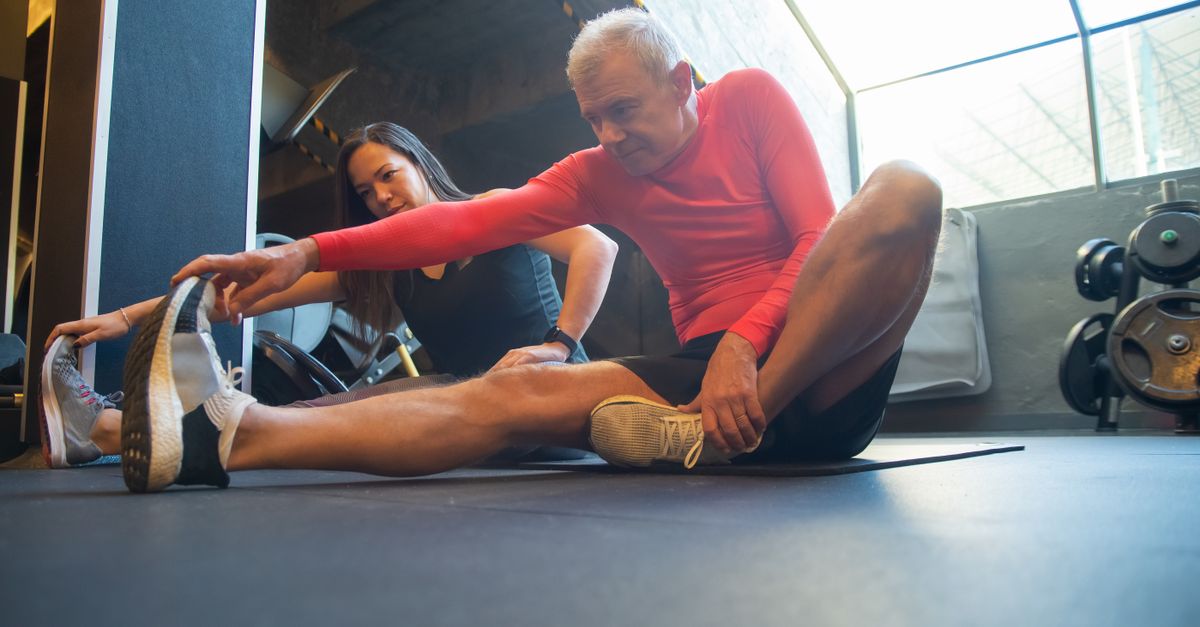
When a senior leaves the hospital, returning to normal life is rarely simple. Families and care providers often struggle to find structured ways to keep seniors active, socially engaged, and medically supported during this critical period. Designing effective senior wellness programs that blend recreational activities, community events, and personalized plans can bridge the gap between clinical care and everyday living. This guide offers a step‑by‑step framework for building, launching, and refining such programs with practical tools that fit any budget or setting.
Beyond physical recovery, post‑hospital seniors face emotional turbulence, loss of routine, and shifting support networks. A well‑structured program restores confidence, reduces anxiety, and reestablishes meaningful habits while keeping medical teams informed about progress. The following sections walk you through each essential phase: from understanding the need to measuring success.
1. Understand the Need for Post‑Hospital Senior Care
Recovery involves healing, mental resilience, social connection, and routine restoration. Seniors often experience isolation, reduced mobility, or fragmented medical instructions after discharge. A structured program can address these gaps by providing safe movement, cognitive stimulation, and a clear follow‑up plan.
- Recent hospital stay >3 days: Indicates higher risk of functional decline.
- Pain ≥4/10 or limited mobility: Suggests need for guided activity.
- More than three new prescriptions: Often includes anticoagulants or opioids.
- Recent fall or balance issue: Any fall in the past year signals heightened risk.
- Social isolation: Living alone with no regular visitors.
Early identification lets me tailor intensity. A senior managing well at home may benefit more from social events; one with mobility concerns needs gentle movement sessions.
Assessment Tools You Can Use
- PHQ‑9: Screens for depression that can affect participation.
- Timed Up & Go: Measures gait speed and fall risk.
- MNA (Mini Nutritional Assessment): Detects malnutrition impacting recovery.
Administer these during intake or a brief phone call to capture baseline data without overwhelming caregivers.
2. Define Core Components of a Senior Wellness Program
A comprehensive program blends physical activity, mental engagement, and health monitoring. Keep components modular so they can be added or removed based on individual needs.
- Physical therapy or guided exercise: Daily stretching or resistance bands tailored to joint health.
- Cognitive games: Crossword puzzles, card matching, or apps like Lumosity.
- Nutritional counseling: Group cooking classes teaching portion control.
- Health education workshops: Medication safety, fall prevention, chronic disease self‑management.
- Regular check‑ins with a care coordinator: Weekly calls or virtual visits to track mood and adherence.
Distinct yet interlinked blocks allow accurate tracking and flexible adjustment without overhauling the structure.
How to Sequence Your Blocks
- Begin with a baseline assessment.
- Introduce physical activity first if mobility is limited.
- Add cognitive engagement alongside or after physical sessions, based on fatigue.
- Integrate nutrition and education weekly.
- Schedule mid‑week check‑ins to catch emerging issues early.
If pain increases, shift from strength training to gentle yoga or chair exercises for that week.
3. Design Recreational Activities That Engage Seniors
Recreation fuels motivation and socialization. Enjoyable activities increase consistent participation, amplifying health benefits.
- Low‑impact group walks or tai chi emphasizing balance.
- Art classes—painting, collage, pottery—to stimulate fine motor skills.
- Music therapy: sing‑along or instrument workshops to evoke memories.
- Gardening clubs with shared plot responsibilities.
- Board game nights focusing on strategy or wordplay.
- Storytelling circles fostering intergenerational dialogue.
- Pet interaction sessions (e.g., dog walking groups).
Combining gentle walking with painting creates a holistic session addressing body and mind.
Designing Sessions for Accessibility
- Venue: Wheelchair‑accessible, ample seating.
- Timing: Mid‑morning when energy is highest; avoid late afternoons.
- Duration: 45–60 minutes with a brief warm‑up and cool‑down discussion.
- Safety checks: Quick risk assessment before each session.
Low‑sugar, protein‑rich snacks can enhance participation by rewarding seniors after activity.
4. Integrate Personalized Wellness Plans
Recovery trajectories differ; personalized plans respect medical constraints and interests, boosting adherence.
- Baseline assessment: Mobility, cognition, mood.
- SMART goals: e.g., “Walk 5 minutes without assistance by week 4.”
- Select aligned activities: Raised beds for gardening if hand strength is limited.
- Regular reviews: Bi‑weekly check‑ins adjust intensity.
- Document progress: Shared digital log accessible to caregivers.
A simple spreadsheet keeps everyone aligned without advanced tech skills.
Sample Progress Log Layout
| Date | Activity | Pain (0‑10) | Mood (1‑5) | Notes |
|---|---|---|---|---|
| 2024‑08‑01 | Tai Chi, 30 min | 3 | 4 | No issues |
| 2024‑08‑03 | Chair Yoga, 20 min | 2 | 5 | Enjoyed breathing exercises |
Add metrics like blood pressure or medication adherence as needed.
5. Coordinate with Healthcare Providers and Facilities
Seamless collaboration between program staff, primary care physicians, and hospitals ensures safety and effectiveness. Clear communication prevents medication errors and duplicate efforts.
- Obtain discharge summaries & medication lists.
- Shared calendar of appointments and sessions.
- Periodic multidisciplinary meetings.
- Emergency protocol for falls or sudden changes.
- Data sharing agreements respecting privacy laws.
A weekly brief call between coordinator and primary doctor often uncovers early warning signs.
Documenting Communication Flow
- Coordinator: Daily log of attendance, pain scores, observations.
- Primary Physician: Quarterly review of medical progress.
- Physical Therapist: Bi‑weekly mobility assessment.
Store documents in a shared folder with clear naming conventions (e.g., “2024-08-01_JaneDoe_Progress.xlsx”).
6. Measure Outcomes and Adjust the Program
Objective metrics justify resources and demonstrate impact, enabling rapid iteration.
- Attendance rate: Target ≥75% for core activities.
- Pain score reduction: Aim for 20% over 8 weeks.
- Falls or emergency visits: <2 per month.
- Quality‑of‑life surveys (e.g., SF‑12).
- Medication adherence: Monitor via pill counts or digital reminders.
Combining attendance data with pain scores is most actionable; if participation drops but pain improves, adjust activity intensity.
Data Visualization for Stakeholder Reports
- Bar charts: Attendance trends.
- Line graphs: Pain scores vs. activity frequency.
- Heat maps: Days with lowest engagement.
Create visuals in Google Sheets or Canva and share via email or community bulletin board.
7. Avoid Common Pitfalls in Program Design
Even well‑intentioned programs can fail if practical realities are ignored. Watch for:
- Transportation barriers: Offer shuttles or virtual options.
- Too many activities: Prioritize quality over quantity.
- Neglecting caregiver input: Engage family members in planning.
- Cultural preferences ignored: Adapt activities to diverse backgrounds.
- Lack of scaling plan: Design processes that handle more participants without compromising care.
The first program failure was due to unreliable transportation; seniors simply couldn't attend.
Proactive Mitigation Strategies
- Map local transit routes and provide printed or mobile guides.
- Create a “must‑do” vs. “nice‑to‑have” activity list each week.
- Hold quarterly family feedback sessions to surface concerns early.
- Rotate activity themes (e.g., seasonal crafts) for cultural relevance.
- Use a scalable volunteer recruiting funnel to maintain staffing levels.
8. Leverage Resources and Tools
You don’t need to build everything from scratch. Free or low‑cost tools accelerate development:
- Google Forms / Sheets: Assessments, logs, data aggregation.
- Zoom or Teams: Virtual group sessions for mobility issues.
- Canva: Flyers, calendars, educational handouts.
- Local community centers: Often provide space and equipment at reduced rates.
- Volunteer networks (e.g., Nextdoor, Senior Corps): Skilled volunteers for delivery.
For example, a Google Form can feed data into Sheets where conditional formatting flags pain scores above 7, triggering an immediate check‑in.
Integrating Technology Seamlessly
- SMS reminders: One‑line prompts for upcoming sessions.
- Digital pill boxes: Track medication adherence with alerts.
- Wearable trackers: Low‑cost devices monitor steps and heart rate, feeding data back to the coordinator.
These integrations add support layers without significant overhead, ensuring seniors stay connected and accountable.
Conclusion: Turning Recovery Into Lifestyle
A senior wellness program that combines physical activity, cognitive stimulation, nutrition education, and continuous medical coordination can transform the post‑hospital experience. Ground your design in clear indicators, modular components, personalized plans, collaborative workflows, measurable outcomes, and practical resources. The result is faster recovery, renewed community engagement, and a lasting sense of purpose for seniors reentering everyday life.
What’s the biggest challenge you face when implementing a senior wellness program in your community?


