
How can Assisted Living in North Las Vegas, NV improve Senior mental health care?
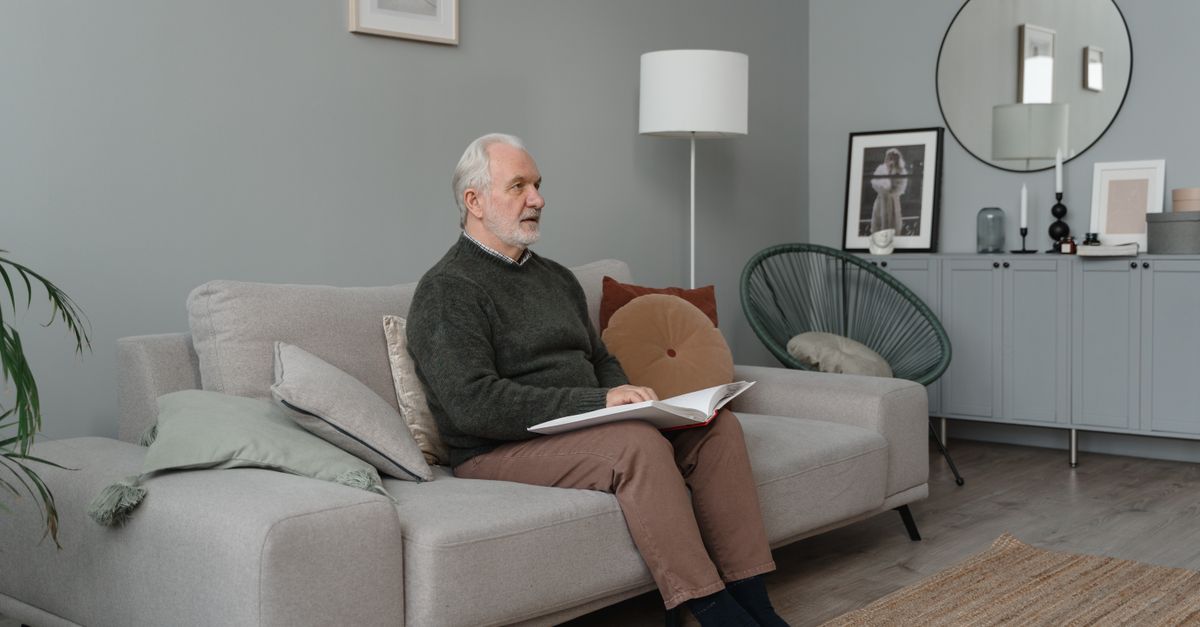
When a senior shows signs of depression or anxiety, families often wonder where to seek help. In North Las Vegas, assisted living facilities address both mental and physical needs while fostering social engagement.
Understanding Senior Mental Health Care Needs in North Las Vegas, NV
North Las Vegas is aging: by 2026 nearly 12% of residents are over 65. Chronic illnesses common among this group can trigger mood disorders. The climate’s heat, casino noise, and limited green space add stress.
Mental health care must balance medical treatment with lifestyle factors. Watch for sleep changes, appetite shifts, social withdrawal, and sudden energy swings.
Common conditions include depression, generalized anxiety, PTSD from military or life events, and early bipolar signs. The desert heat can worsen irritability and fatigue, while traffic and casino lights create sensory overload that disrupts rest.
Community resources supplement facility care: senior centers offer counseling groups and classes; the Nevada Department of Health runs free cognitive screening clinics. Combining these services with assisted living reduces isolation.
Key Indicators to Watch
- Sleep disturbances or daytime fatigue—restless nights or constant napping may signal mood issues.
- Weight changes—sudden appetite shifts often accompany depression or anxiety.
- Loss of hobbies—withdrawal from music, gardening, or community events can reflect declining motivation.
- Low mood or irritability—persistent “down” feelings or short tempers are red flags.
- Memory or concentration changes—difficulty recalling appointments or focusing may indicate early distress.
Early detection lets caregivers intervene before conditions worsen.
Choosing Assisted Living: What to Look For
A suitable facility offers routines, therapeutic activities, and a supportive community. Evaluate these criteria in North Las Vegas:
- High staff‑to‑resident ratio for personalized attention.
- Licensed mental health professionals on site for brief interventions.
- Proximity to hospitals or specialty clinics.
- Ongoing staff training in geriatric mental health—dementia communication, grief counseling, crisis de‑escalation.
- Seniors‑focused community programs—group walks, art classes, intergenerational events.
Facilities that value resident input and flexible schedules foster better outcomes. Visit at different times to see staff handling peak activity versus quieter hours; observe interactions during meals or recreation for respect and autonomy.
Financial planning matters. Monthly rates range from $3,000 to $5,500 based on amenities and care level. Families often use Medicaid long‑term waivers or private insurance; understanding eligibility early avoids surprises. Review fee structures: does the cost include meals, medications, transportation, therapy? Some homes offer a “full board” package that eliminates hidden charges.
Comprehensive Senior Health Services and Their Impact on Mental Well‑Being
Physical health directly affects mood. Integrated care plans improve resident moods over six months.
Technology aids mental strategies: telehealth lets residents consult psychiatrists or therapists onsite; remote monitors track sleep and heart rhythm, alerting staff to irregularities for prompt action.
Core Services Often Included
- On‑site primary care physicians and nurses—regular visits keep chronic conditions stable.
- Physical and occupational therapy—mobility exercises reduce fall risk and boost confidence.
- Medication management—daily checks prevent polypharmacy complications that mimic mood disorders.
- Nutrition counseling—balanced meals support brain health and energy.
- Preventive screenings—blood pressure, cholesterol; early detection reduces anxiety.
- Telehealth options for specialists when onsite staff are unavailable.
Adding structured exercise classes like tai chi or low‑impact aerobics, along with music or art therapy, enriches emotional life and strengthens social bonds.
Dementia‑Friendly Communities: Reducing Cognitive Decline Stress
For dementia patients, the environment can calm or aggravate symptoms. Design and programming that minimize confusion are key.
Facilities using consistent color schemes and clear signage report fewer agitation episodes.
Essential Features of a Dementia‑Friendly Facility
- Low‑contrast, easy‑to‑read signs across common areas.
- Secure yet unobtrusive perimeter fencing to prevent wandering while keeping an open feel.
- Scheduled orientation walks that reinforce familiar routes.
- Calming lighting and reduced ambient noise—dimmer lights help circadian rhythms.
- Staff trained in person‑centered communication—focus on individual preferences rather than diagnosis.
Memory boxes with familiar objects, photos, and seasonal activity calendars keep residents engaged.
Compassionate Caregiving Practices in Assisted Living Facilities
Emotional support from caregivers can change outcomes. Compassionate care values respect, listening, and autonomy.
In my experience, staff acknowledging a resident’s preferences—choosing music or meal timing—makes the person feel valued and less isolated.Key Practices to Seek
- Regular one‑on‑one conversations that reduce abandonment feelings.
- Flexible scheduling respecting individual routines.
- Resident participation in decision‑making committees.
- Training on empathy and cultural sensitivity for diverse populations.
- Rapid response protocols for behavioral changes to de‑escalate crises early.
Facilities institutionalizing these practices report lower depression and anxiety rates. Observe staff during group activities or hallways; person‑centered language like “How would you like to feel today?” signals a supportive culture.
Practical Steps for Families Considering Assisted Living in North Las Vegas, NV
Selecting an assisted living home requires preparation and clear priorities.
- Define care level needed—24‑hour nursing, memory support, or independent living with assistance.
- Tour multiple facilities to compare environments, staff interactions, and activities.
- Request a written health plan covering medication management, emergencies, and mental resources.
- Ask for references from families of current residents; verify credentials through licensing boards.
- Review all costs, insurance coverage, and long‑term care options.
- Inquire about privacy policies—how personal information is protected and whether residents have private spaces.
- Understand crisis protocols—steps taken during severe depressive episodes or sudden agitation.
What specific indicators have you observed in your family when selecting an assisted living facility, and how did they influence your decision?


