
How can a supportive living environment enhance cognitive health programs for seniors?
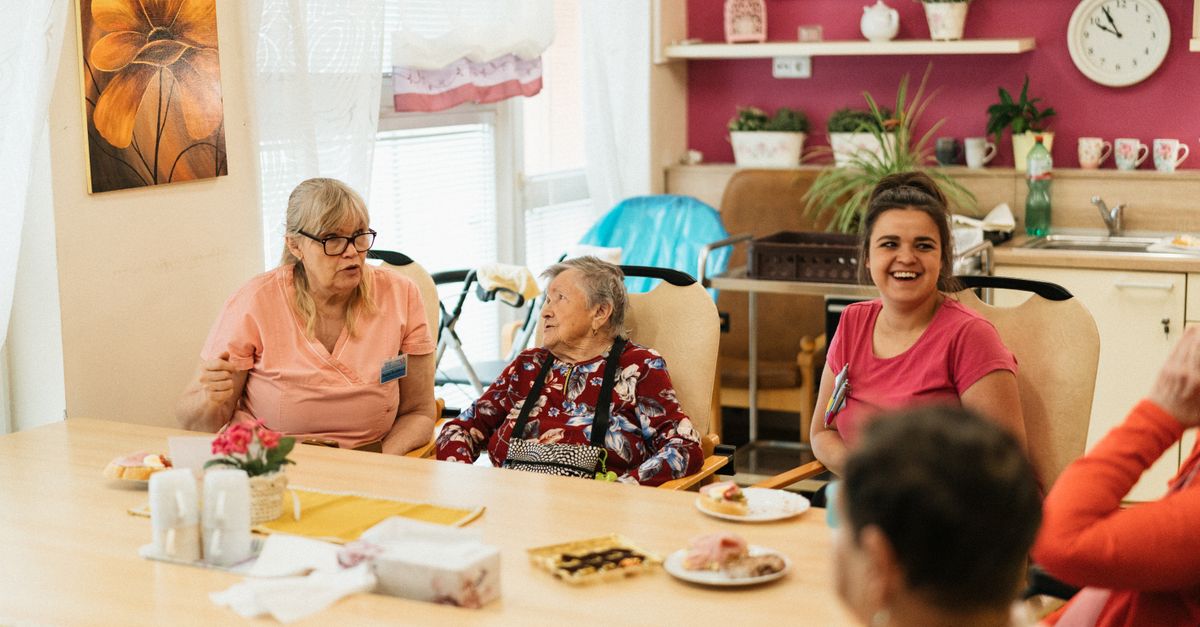
I’ve spent the last decade building systems that drive performance, whether it’s an app or a business model. When I started looking into senior care options for my parents, I realized the same principles of clarity, structure, and measurable outcomes apply to cognitive health programs in senior living settings. This realization came from observing how a well‑designed environment can transform a routine activity into an engaging learning experience that keeps the mind sharp.
Understanding Cognitive Health Programs for Seniors
Cognitive health programs are structured interventions designed to maintain or improve memory, attention, problem‑solving, and other mental functions. They combine evidence‑based activities—such as brain training games, social engagement, nutrition counseling, and physical exercise—with regular monitoring by qualified professionals.
In my experience, a program that is too generic often fails to produce lasting benefits because it lacks personalization. When I worked on user journey maps for an app, the same lesson applied: tailoring content to individual needs drives higher engagement. For seniors, this means adapting tasks to match each resident’s baseline ability and interests, allowing them to progress at a comfortable pace while still challenging their cognitive reserve.
Why Supportive Living Environments Matter
A supportive living environment provides the physical and social context that amplifies the effectiveness of cognitive health programs. Elements like safe walkways, clear signage, sensory stimulation options, and communal spaces all contribute to a setting where seniors feel secure and engaged.
Key Features of a Supportive Environment
- Accessible Design: Wide doors, ramps, and handrails reduce fall risk and encourage independent movement.
- Calming Aesthetics: Natural light, soothing colors, and low‑noise zones help maintain focus and reduce stress.
- Social Hubs: Dedicated areas for group activities foster interaction, which is critical for cognitive stimulation.
- Technology Integration: Simple devices that allow residents to connect with family or participate in virtual classes support mental engagement.
- Safety Protocols: Clear emergency procedures and staff training ensure rapid response when needed.
- Accessible Signage: High‑contrast, large‑print signs guide residents through the facility without confusion.
- Therapeutic Gardens: Outdoor spaces with fragrant plants and gentle paths provide a natural setting for mindful walking and sensory exploration.
- Quiet Zones: Dedicated rooms or corners where noise is minimized help seniors focus on memory tasks or relaxation techniques.
When these features align, residents can fully engage in cognitive health programs without distraction or fear.
The Role of Professional Senior Caregivers in Cognitive Health
Professional senior caregivers are the frontline facilitators who translate program plans into daily reality. Their responsibilities extend beyond basic care to include monitoring cognition, encouraging participation, and adapting activities as residents’ needs evolve.
- Administer cognitive assessments and track progress over time.
- Facilitate group exercises that blend physical movement with memory challenges.
- Encourage social interaction through structured conversation circles or hobby clubs.
- Collaborate with healthcare providers to adjust medication schedules that may affect cognition.
- Provide training for family members on how to support cognitive activities at home.
In my experience, caregivers who receive ongoing education in neuroplasticity principles are better equipped to inspire residents and see measurable improvements. For example, a caregiver might use mnemonic storytelling during a walking group, turning each step into a memory cue that reinforces spatial awareness.
Elderly Wellness Solutions: Beyond Physical Care
Cognitive health is intertwined with overall wellness. Effective elderly wellness solutions address nutrition, sleep hygiene, mental health, and social connectivity—all of which influence brain function.
- Balanced diets rich in omega‑3 fatty acids and antioxidants; for instance, incorporating salmon or walnuts into daily meals can support neuronal health.
- Structured sleep schedules supported by calming pre‑bedtime routines such as gentle music or guided breathing exercises.
- Mental health screenings to detect depression or anxiety early, with referrals to counseling or support groups when needed.
- Community outings that expose residents to new environments and stimuli—like a monthly museum visit or botanical garden walk—to stimulate curiosity and learning.
- Creative arts programs—music, painting, writing—that stimulate imagination and provide emotional outlets while engaging different brain networks.
Integrating these solutions with cognitive programs creates a holistic approach that supports longevity in both mind and body. When residents feel nourished physically, rested mentally, and connected socially, their capacity to participate fully in cognitive activities increases dramatically.
Luxury Senior Living vs. Standard Assisted Living
While luxury senior living often emphasizes amenities such as gourmet dining, spa services, and upscale accommodations, the core difference lies in the level of personalized care and program intensity. Luxury facilities typically offer smaller resident‑to‑staff ratios, allowing for more individualized cognitive interventions.
When evaluating options, look for:
- Staff certification levels (e.g., Certified Nursing Assistant vs. Registered Nurse).
- Frequency of cognitive assessments per month.
- Availability of on‑site therapists or occupational specialists.
- Program diversity—does the facility offer both group and individualized sessions?
- Integration of technology for remote monitoring, such as wearable activity trackers linked to care plans.
These factors can significantly impact the effectiveness of elderly wellness solutions, regardless of the price point. A standard assisted living community may still provide robust programs if it prioritizes staff training and resident engagement over luxury finishes.
Practical Steps to Evaluate and Choose a Facility
Choosing the right senior living environment requires a systematic approach. Below is an actionable checklist that aligns with my own decision‑making process when I selected a facility for my parents.
- Define Priorities: List must‑have features such as cognitive programs, staff qualifications, and support services.
- Research Credentials: Verify certifications, accreditation status, and any state inspection reports.
- Visit Multiple Sites: Observe daily routines, resident engagement, and staff interaction with residents.
- Ask About Program Details: Request a sample cognitive health program schedule and assess its alignment with your priorities.
- Review Staff‑to‑Resident Ratios: Lower ratios generally mean more personalized attention.
- Inquire About Transition Plans: Understand how the facility will support residents moving from home or other care settings.
- Check Financial Transparency: Ensure billing practices are clear and that there are no hidden fees.
- Speak With Current Residents: Their feedback can reveal day‑to‑day realities beyond marketing materials.
- Assess Environmental Design: Walk through communal areas to evaluate safety features, signage clarity, and sensory stimulation options.
- Evaluate Technology Support: Confirm that devices for remote monitoring or virtual learning are user‑friendly and well maintained.
Following this checklist helps reduce surprises and ensures a fit between your family’s expectations and the facility’s capabilities.
Common Mistakes Families Make When Selecting Senior Care
Many families rush into decisions based on price or proximity alone. These errors can undermine the effectiveness of cognitive health programs:
- Ignoring Program Quality: A low‑cost facility may lack structured cognitive activities.
- Overlooking Staff Training: Inadequately trained caregivers may miss subtle signs of cognitive decline.
- Neglecting Resident Input: Seniors often have valuable insights into what keeps them engaged and motivated.
- Failing to Plan for Transition: Without a clear plan, residents may experience stress that negatively impacts cognition.
- Assuming All Facilities Are the Same: Different communities vary in philosophy, staff expertise, and environmental design.
- Underestimating the Role of Family Involvement: Regular family visits can reinforce cognitive gains achieved within the facility.
Addressing these pitfalls early can lead to better outcomes in both physical health and cognitive vitality. A thoughtful approach that balances cost, location, staff expertise, and program quality sets the stage for long‑term success.
The most critical factor is the synergy between a supportive living environment and professionally led cognitive programs; together they create a setting where seniors thrive mentally and physically.What specific features have you found most effective in supporting your loved ones’ cognitive health during senior care transitions?


