
Can Customized Health Monitoring Improve Senior Care Quality in 2026?
I’ve spent the past decade building systems that turn data into actionable insights. When I look at senior care, I see an opportunity to apply the same logic: capture real‑time health signals, interpret them with context, and deliver personalized interventions before problems spiral. The question isn’t whether technology can help seniors; it’s how we integrate continuous monitoring into a holistic care model that respects dignity, autonomy, and quality of life.
The most impactful senior care solutions are those that combine real‑time health monitoring with individualized cognitive support and flexible assisted‑care plans—creating an ecosystem where data informs decisions without replacing human judgment.The Current Landscape of Senior Health Monitoring
Wearable devices, home sensors, and smart appliances have entered the market in droves. Yet adoption rates among seniors remain uneven because many solutions focus on raw metrics (heart rate, steps) rather than actionable care pathways. In 2026, we’re seeing a shift toward integrated platforms that merge physiological data with behavioral cues and environmental context.
Key Features Driving Adoption
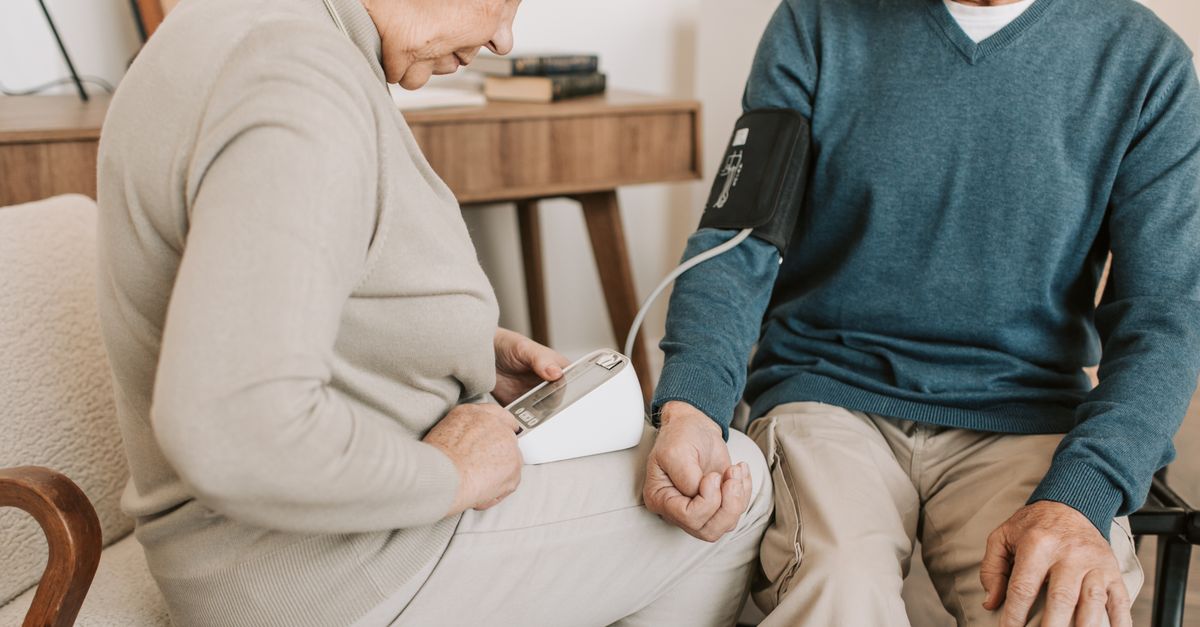
- Continuous Glucose & Blood Pressure Monitoring: Devices now sync to cloud dashboards in real time.
- Fall Detection Algorithms: Immediate alerts paired with automatic emergency response triggers.
- Ambient Light & Temperature Sensors: Adjust home conditions to reduce agitation and improve sleep.
- Medication Adherence Tracking: Smart pillboxes that log doses and send reminders.
Despite these advances, many seniors still view monitoring as intrusive. The next step is making the technology feel like an extension of their own body rather than a surveillance tool. By embedding sensors into everyday objects—such as a bedside lamp or a kitchen faucet—and providing intuitive visual feedback on a tablet, users can sense that the system is “aware” without feeling watched.
Cognitive Health Programs: Beyond Tracking Numbers
Monitoring physiological data is only part of the puzzle. Cognitive health—memory, attention, executive function—is increasingly recognized as a critical determinant of overall well‑being. Modern platforms now integrate cognitive exercises with real‑time feedback.
Components of Effective Cognitive Support
- Gamified Memory Tasks: Adaptive difficulty that keeps engagement high.
- Social Interaction Modules: Virtual group sessions to reduce isolation.
- Speech and Language Analysis: Early detection of language decline.
- Personalized Learning Paths: Tailored content based on baseline assessments.
When cognitive data is linked with physiological signals, clinicians can spot early signs of dementia or delirium and intervene promptly. The key is to design programs that seniors enjoy, not feel forced into.
An example of a successful gamified task is the “Memory Maze” app, where users navigate through a virtual garden, collecting items while answering recall questions. The game adjusts in difficulty based on response time, ensuring neither boredom nor frustration. Social modules often use video conferencing with built‑in prompts that encourage conversation about daily activities—an approach that has been shown to improve mood and reduce depressive symptoms.
Customized Assisted Care Models – One Size Does Not Fit All
Assisted care has traditionally been delivered through rigid schedules—home visits at set times or institutional care with fixed routines. However, the most effective models are those that adapt to a senior’s daily rhythms and preferences.
Elements of Personalization in Assisted Care
- Dynamic Scheduling: Adjust visit frequency based on real‑time health data.
- Preference‑Based Activity Planning: Incorporate hobbies like gardening or music.
- Family Involvement Portals: Allow relatives to view updates and communicate directly.
- Autonomy Safeguards: Maintain decision rights for seniors while ensuring safety.
Implementing these features requires a robust data pipeline that feeds caregivers with actionable insights without overwhelming them. The goal is to empower, not micromanage.
Dynamic scheduling can be achieved by setting threshold alerts—for example, if heart rate variability drops below a safe range, the system automatically proposes an additional check‑in or suggests a short rest period. Caregivers then review and approve the adjustment through a simple dashboard, preserving their professional judgment while benefiting from data‑driven cues.
End‑of‑Life Care Integration with Continuous Monitoring
When end‑of‑life (EOL) considerations enter the equation, monitoring takes on a new urgency. Continuous data streams can help clinicians adjust palliative care plans in real time, ensuring comfort and dignity.
Critical EOL Monitoring Touchpoints
- Pain Level Sensors: Correlate physiological markers with reported discomfort.
- Respiratory Pattern Analysis: Early detection of distress or aspiration risk.
- Fluid Balance Tracking: Prevent dehydration or fluid overload.
- Family Alert Systems: Immediate notifications when vital signs deviate from comfort thresholds.
By integrating EOL care into the same ecosystem, families and providers can focus on quality rather than quantity of life. The technology becomes a tool for compassionate decision‑making.
Pain level sensors often use photoplethysmography combined with accelerometer data to infer agitation or discomfort without requiring verbal input—a critical feature when patients cannot communicate clearly. Families receive discreet alerts on their phones, allowing them to intervene quickly if the patient’s comfort is compromised.
Practical Steps for Families and Providers to Adopt New Tech
Adoption is often stalled by complexity or cost concerns. Below are actionable steps that stakeholders can take to integrate customized monitoring into their care plans.
Implementation Roadmap
- Assessment Phase: Conduct a baseline health and cognitive evaluation to set benchmarks.
- Select Integrated Platforms: Choose systems that bundle wearables, sensors, and analytics in one portal.
- Training & Onboarding: Offer hands‑on workshops for seniors and caregivers.
- Data Governance: Establish clear protocols for data privacy and sharing.
- Feedback Loops: Schedule monthly reviews to adjust thresholds and care plans.
In my experience, the biggest hurdle is resistance to change. Clear communication about how monitoring can reduce hospitalizations and improve daily autonomy makes a convincing case.
A practical tip for families is to begin with one device—such as a smart watch—and gradually add sensors as comfort grows. This “stepped‑up” approach reduces overwhelm and allows caregivers to observe incremental benefits before committing fully.
Cost Considerations & ROI for Stakeholders
Investing in continuous monitoring isn’t free, but it can be cost‑effective when measured against avoided complications and hospital stays. Below is a high‑level view of the financial dynamics.
Breakdown of Typical Expenses
- Hardware: Sensors ($200–$500 per unit) amortized over 2–3 years.
- Software Subscriptions: $30–$60/month per user, inclusive of analytics and support.
- Training & Support: One‑time fee ($1,000–$3,000) for onboarding sessions.
- Maintenance: Annual check‑ins ($200–$400).
The return on investment often emerges from reduced emergency department visits—studies show a 25–35% drop in acute events when monitoring is coupled with timely interventions. For payers, the savings are even more pronounced.
Additionally, many insurers now offer reimbursement codes for remote patient monitoring (e.g., CPT 99453/99454). Care providers can claim these services as part of bundled care initiatives, further offsetting subscription costs and encouraging broader adoption.
Common Mistakes and How to Avoid Them
Even well‑intentioned projects can falter if certain pitfalls aren’t addressed. Below are frequent missteps and my recommendations for circumventing them.
Mistakes & Mitigation Strategies
- Overloading Data: Too many metrics overwhelm caregivers—prioritize key indicators.
- Ignoring User Experience: Devices that require complex setup reduce adherence—opt for plug‑and‑play solutions.
- Lack of Interoperability: Systems that don’t talk to each other create silos—select platforms with open APIs.
- Underestimating Privacy Concerns: Seniors are wary of data sharing—implement transparent consent models.
- Failing to Iterate: Static plans miss evolving needs—embed continuous improvement cycles.
By addressing these areas proactively, stakeholders can ensure that technology serves as an enabler rather than a burden.
For example, a care team might begin with three core metrics (heart rate, activity level, medication adherence) and only add additional sensors after evaluating the impact on workflow. This phased approach keeps dashboards uncluttered and decisions focused.
The Future Outlook: 2026 and Beyond
Looking ahead, I anticipate three major trends shaping senior care:
- AI‑Driven Predictive Analytics: Algorithms that forecast health events days before they happen.
- Edge Computing in Homes: Local processing reduces latency and enhances privacy.
- Community‑Based Care Networks: Decentralized platforms connecting volunteers, clinicians, and families.
These developments will make personalized monitoring more accessible, affordable, and integrated into everyday life. The challenge is to keep the human touch at the core of every technological advance.
Emerging wearable miniaturization means future devices could be incorporated into clothing or even implants, further reducing user friction. Regulatory frameworks are also evolving to streamline data sharing while safeguarding personal information—an essential balance for widespread adoption.
How can your family or care organization start integrating customized health monitoring today without disrupting existing workflows?


